Events

Maimarkt 2026 – Kultur für Europa in the metropolitan region

Unterstützerverein für Heidelberg und die Metropolregion Rhein-Neckar · 2034?

25 April to 5 May 2026 · Mannheim Maimarkt · Hall 27 / Stand 01

Heidelberg und Metropolregion kulturell stärken

Den Bewerbungsprozess fördernd begleiten

Menschen und Institutionen vernetzen – fuer alle

Language

Work in Progress

This page is already publicly accessible but is still under editorial review. Design, image selection and individual details may still change.

Überblick über den Stand von Kultur für Europa in Halle 27 auf dem Mannheimer Maimarkt

Documented Review

Overview

days at Maimarkt
11
performances and talks
28
contributors
100+
hall and stand
27/01

Eleven days at the Maimarkt as a public showcase for the Capital of Culture idea: regional culture, conversations, exhibitions and more than 100 contributors.

Kultur für Europa presented itself at Mannheim Maimarkt with its own stand and a daily programme. In Hall 27, cultural projects, artistic initiatives and institutions from the Rhein-Neckar metropolitan region became visible – as a shared signal for a Capital of Culture bid led by Heidelberg and explicitly connected with the wider region.

For Kultur für Europa, the Maimarkt became a regional public forum. Over eleven days, the association introduced visitors to the idea of a European Capital of Culture bid and showed that such a bid is not only about Heidelberg, but about the metropolitan region as a connected cultural space. The Maimarkt was a fitting place for this: it is where the region meets.

Stand Programme

The Programme at the Stand

The daily overview shows the main programme lines. Detailed contributions remain available below without overloading the page.

Image Chronicle

Varied Impressions from Our Colourful 11 Days

Each chapter shows one lead motif and a short editorial context. Further images are collected in the archive at the end of the page.

days at Maimarkt
11
performances and talks
28
contributors
100+
hall and stand
27/01

25 April · opening

Stand, world music and first resonance
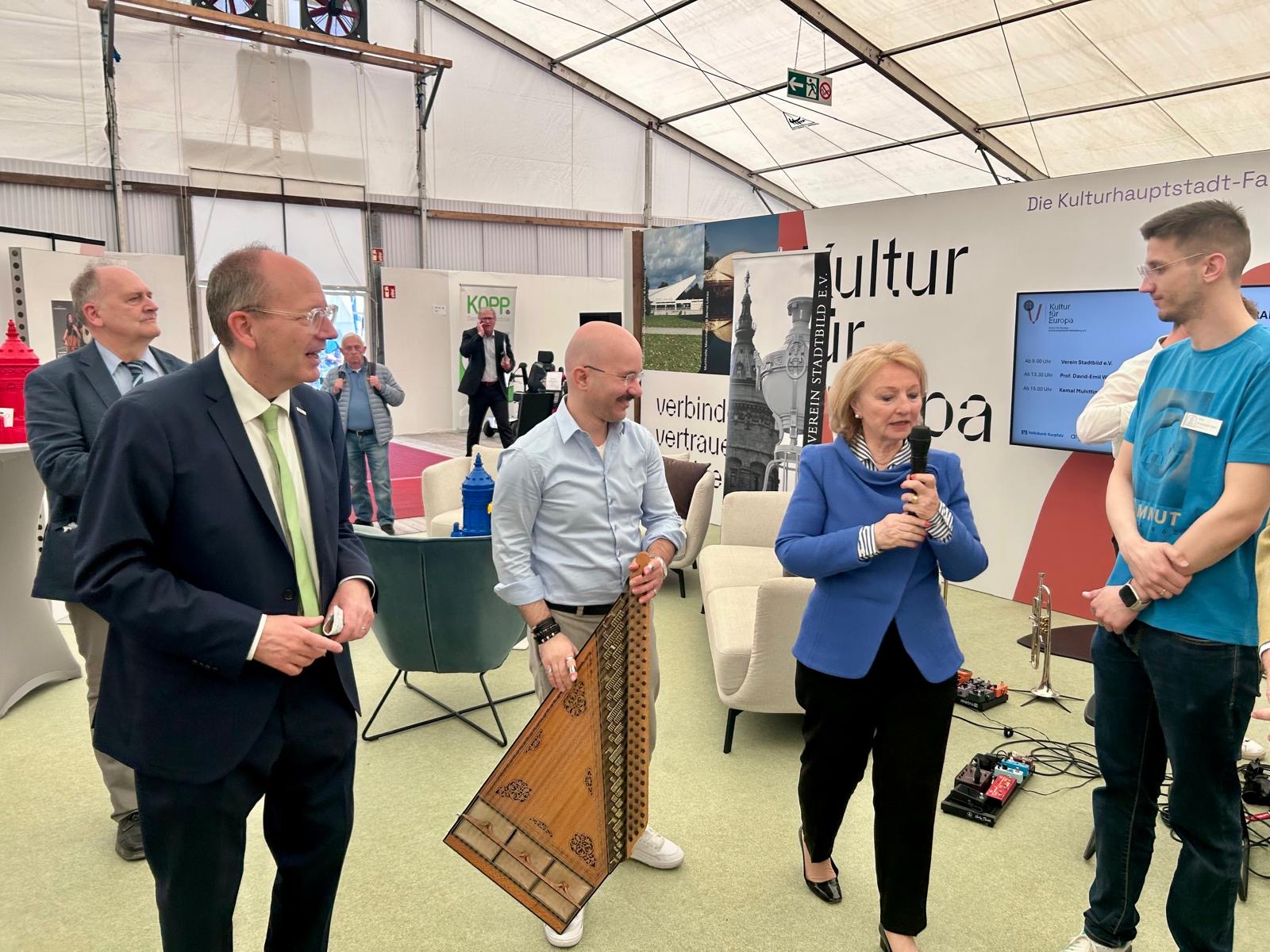
Helen Heberer begrüßt Gäste und Musiker am Stand von Kultur für Europa

On the first day, the stand became more than an exhibition surface. Verein Stadtbild e.V. presented 'Schätze unserer Stadt erhalten' and immediately raised the question of the cultural value of cityscape and memory. Prof. David-Emil Wickström, Kemal Muhittin and Caner Korkmaz then opened the stand as a stage with world music. Kanun, bağlama, kemençe and trumpet turned the opening into a direct space of encounter: the Capital of Culture idea was not merely explained, but became audible and approachable.
26 April · music industry

Music industry, talk and pop

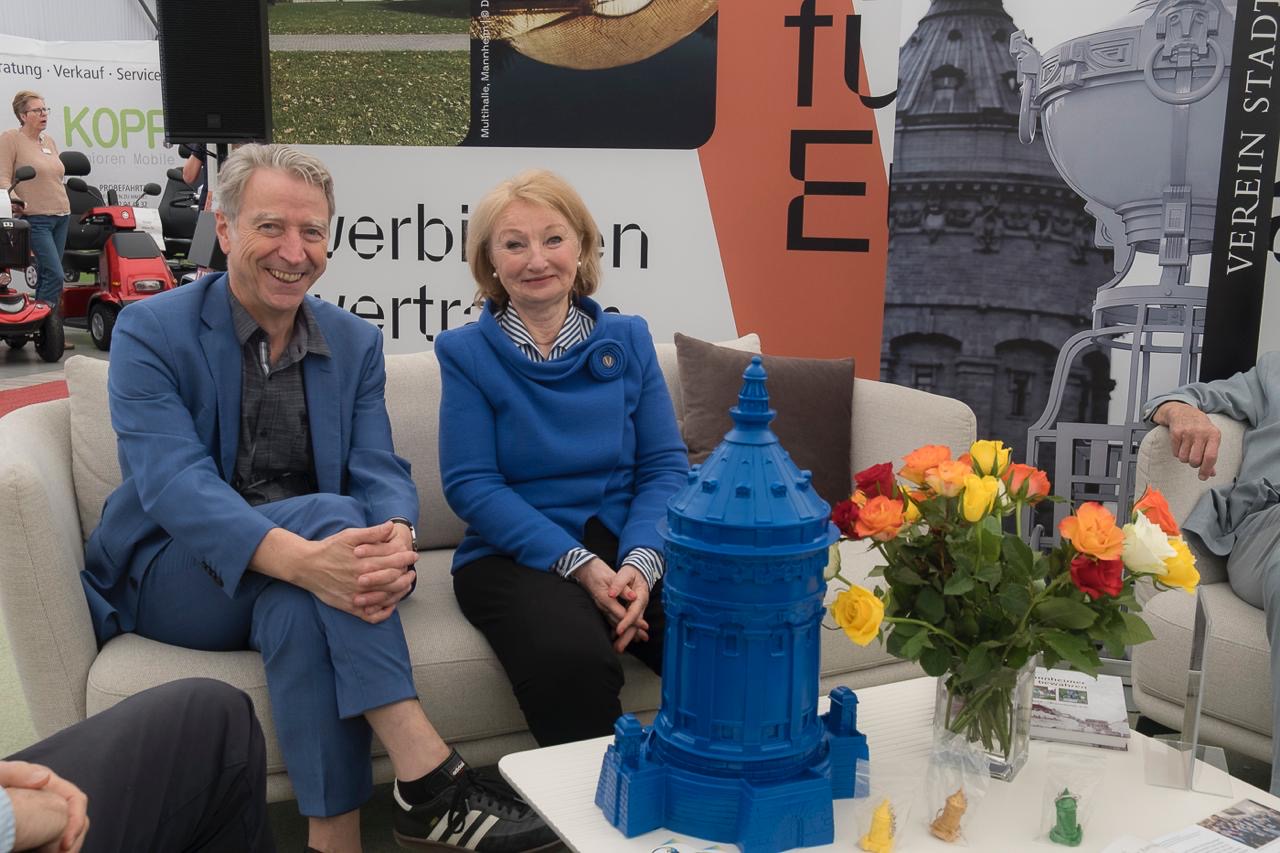
Talk mit Musikverleger und Konzertveranstalter Michael Menges

The music industry talks showed how broadly cultural work has to be understood today: publishing, management, concerts, production, young talent and the stage belong together. Künstlernachlässe Mannheim asked what remains of artistic lives and how this becomes city history. Michael Menges spoke about changed value creation in a digitalised music industry; Umut Can Ergül, the U CAN Music School and young pop voices made audible how tradition, production and the present meet in the region.

27 April · choir music

Rheinauer Seebären at the stand

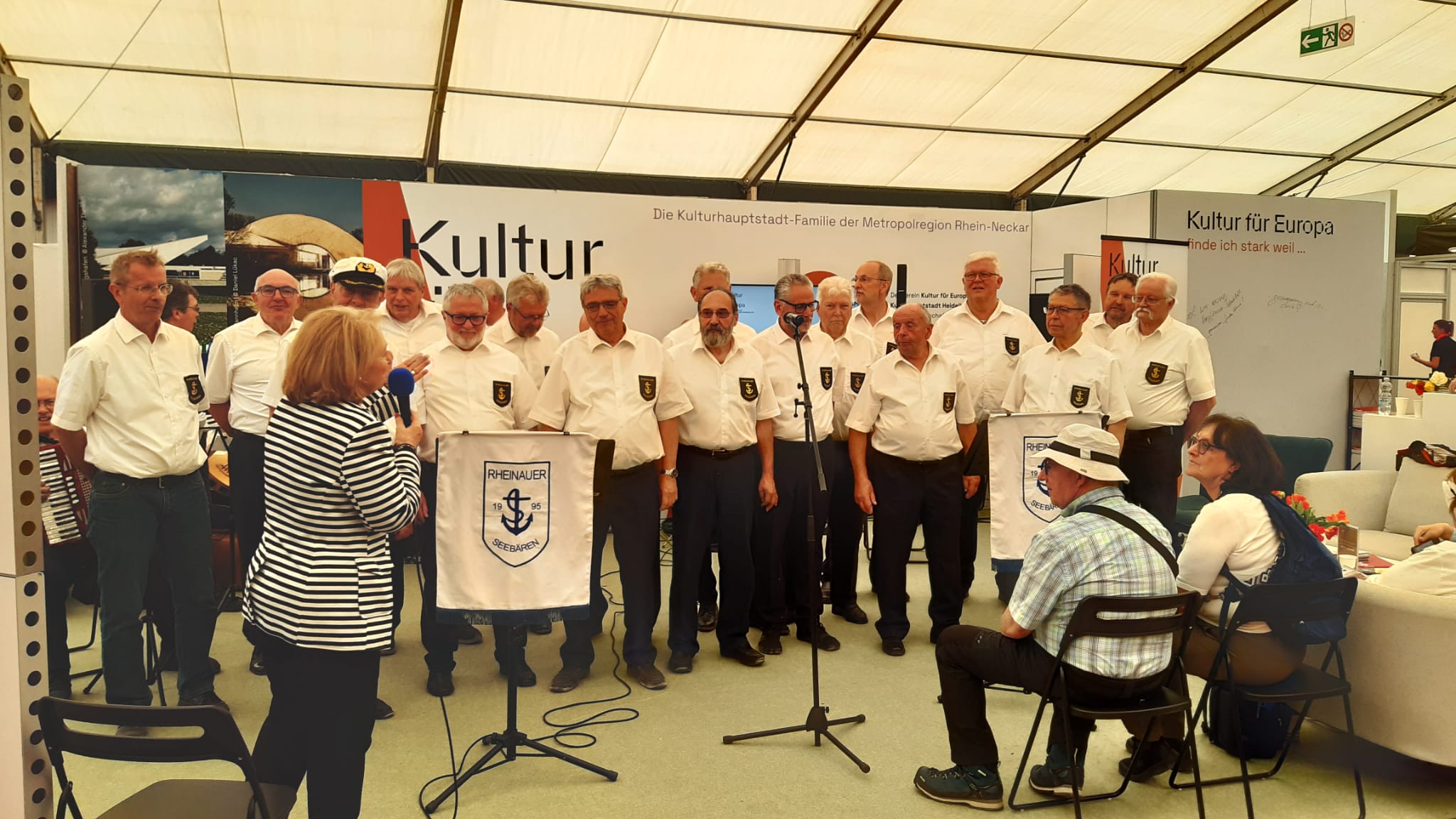
Rheinauer Seebären am Stand von Kultur für Europa mit Publikum

When the Rheinauer Seebären sang, the audience did not remain at a distance. Founded in 1995, the shanty choir brought a familiar and accessible energy into the fair space with 8 musicians and 24 singers. Earlier, Michael Herberger and Helen Heberer had discussed how generative AI changes composition, production, marketing and copyright. This contrast made the day strong: future technology and collective singing did not stand against each other, but showed two forms of regional cultural strength.

28 April to 4 May · exhibitions

City heritage, artists' estates, museum and building culture

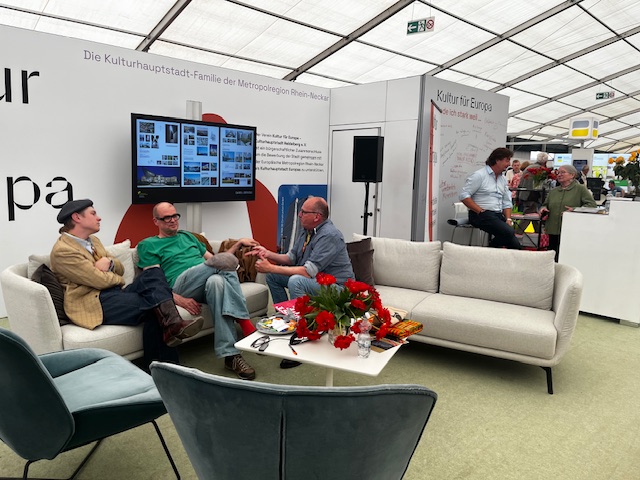
Gesprächssituation am Stand mit Präsentation der Heidelberger Schlossgespräche

The exhibitions gave the bid depth. Stadtbild Mannheim, Künstlernachlässe Mannheim, the Kurpfälzisches Museum with Regina Relang's fashion photography and the Heidelberger Schlossgespräche showed that the region already has a grown cultural foundation. The programme dealt with buildings, archives, models, fashion photography, estates and public spaces. At the Maimarkt, this substance was not shown as something closed off, but as material for the present and future: what do we preserve, what do we show, and how does it become a shared regional project?

29 April and 3 May · observatory and youth music

European Youth Orchestra, Cultural Office and Alte Sternwarte

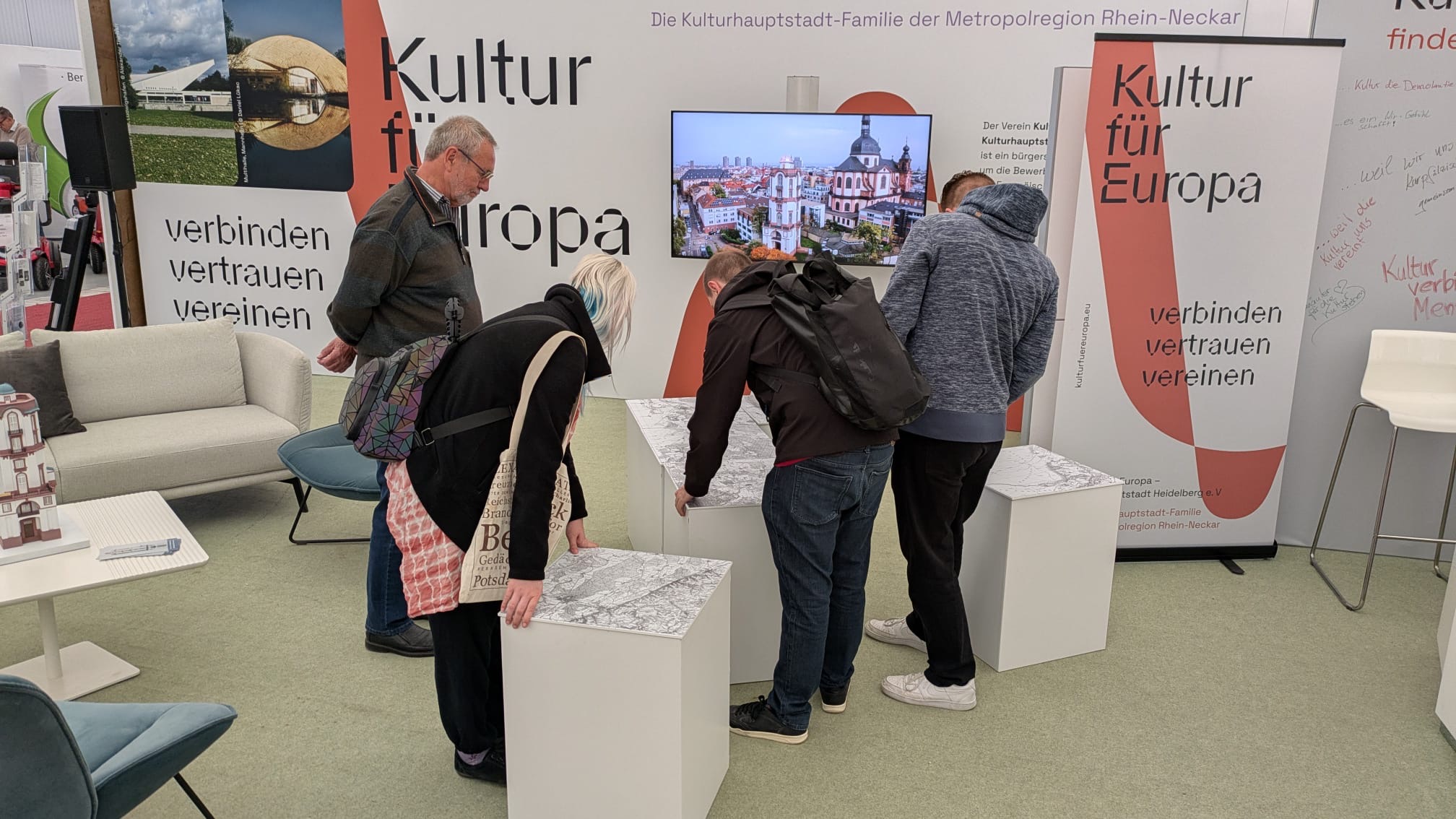
Besucherinnen und Besucher betrachten die Präsentation der Alten Sternwarte Mannheim

This chapter brings two timelines together: the European Youth Orchestra as a view of young European collaboration and the Alte Sternwarte as a place of scientific history. The presentation pointed to 80 young musicians from 17 European nations coming together in Mannheim in September. Heidelberg Cultural Office added the municipal level and the Kultur-Pass context. Later, the Alte Sternwarte opened a view onto a building where astronomical research was conducted between 1775 and 1880. Together, it becomes clear that a Capital of Culture bid is not only about preserving heritage, but also about passing it on, education and new European connections.

30 April to 5 May · stage

Brass, opera, dance and youth theatre

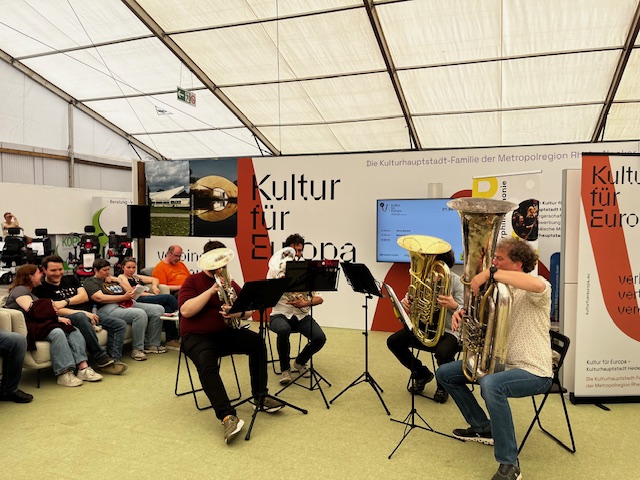
Tuba-Quartett der Bläserphilharmonie Mannheim vor Publikum

Alongside talks and exhibitions, the stand repeatedly became a small stage. The programme ranged from the Popakademie Electronic Orchestra to youth theatre, contemporary dance, the brass philharmonic, a tuba quartet, baritone Joachim Goltz, Toni Berardi and Jan Kalt from Tonstudio Schraubfabrik. For short moments, the fair hall became a rehearsal room, theatre space, concert venue and studio window. The performances showed the breadth of a region that cannot be reduced to a single cultural language.

25 April to 5 May · encounters

Press, politics and association work

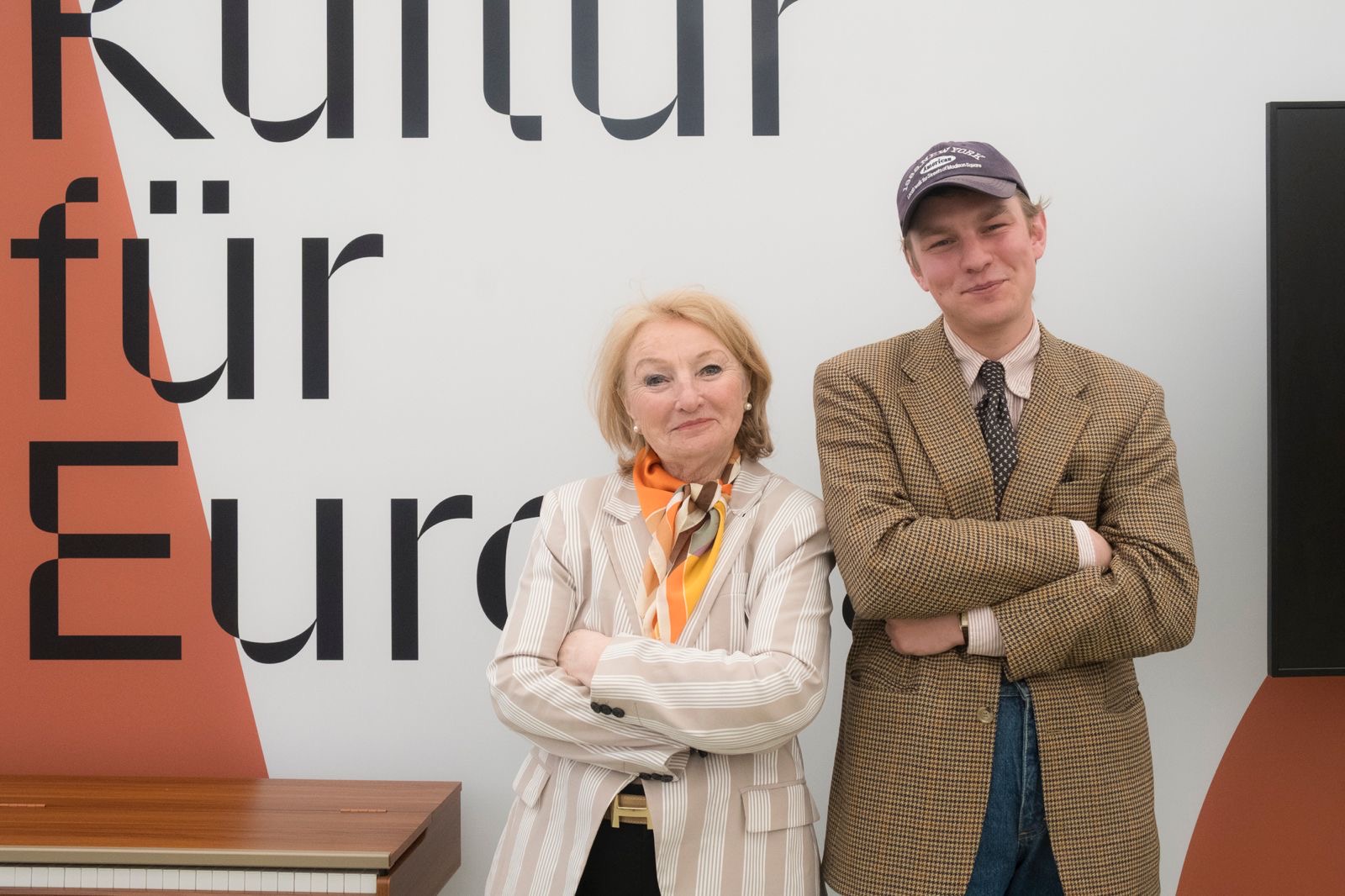
Helen Heberer und Niklas Glässer am Stand

The Maimarkt was also a working place for the association. Regional press, Mannheim's mayor Christian Specht, Minister Peter Hauk and mayors from the metropolitan region came together at the stand, gathered information and made the region's involvement visible. Between setup, daily programme, conversations, sponsors, association work and evening exhaustion, a realistic picture emerged of what Capital of Culture work means. This was the strength of the eleven days: culture was not only presented, but connected and organised.

Image Archive

All Motifs by Theme

43 curated images are grouped by theme. The main chronicle shows the strongest motifs; the archive opens the full selection.